ACML 2026 Workshop · December 1, 2026 · Melbourne, Australia

Graph Machine Learning: Foundations, Frontiers, and Applications

A forum for researchers and practitioners advancing graph representation learning, graph neural networks, graph foundation models, trustworthy graph AI, and real-world graph learning applications.

August 18 Call for papers announced
October 18 Submission deadline
December 1 Workshop day

Learning from graphs, networks, and higher-order relational structures.

Graph machine learning has become a fundamental paradigm for learning from structured and relational data across artificial intelligence, data mining, science, and engineering. Recent advances have expanded the capability of graph neural networks and related models, while raising critical questions around theory, scalability, robustness, distribution shift, trustworthiness, and foundation models for graphs.

GraphML 2026 brings together researchers at different career stages to present new ideas, discuss open problems, and foster collaborations toward the next generation of graph machine learning.

Foundations, Frontiers, and Applications.

01

Graph Representation Learning

Graph neural networks, representation learning, and learning on heterogeneous structures.
02

Theoretical Foundations

Expressivity, generalization, optimization, graph signal processing, and formal analysis.

03

Higher-Order Learning

Hypergraph learning, geometric deep learning, and higher-order relational modeling.

04

Scalable And Robust Models

Scalable graph learning, robustness under shifts, and dependable graph AI systems.

05

Graph Foundation Models

Foundation models for graphs, multimodal graph intelligence, and transfer across domains.

06

Applications

Science, engineering, recommendation, knowledge graphs, digital health, and education.

Invited Talks.

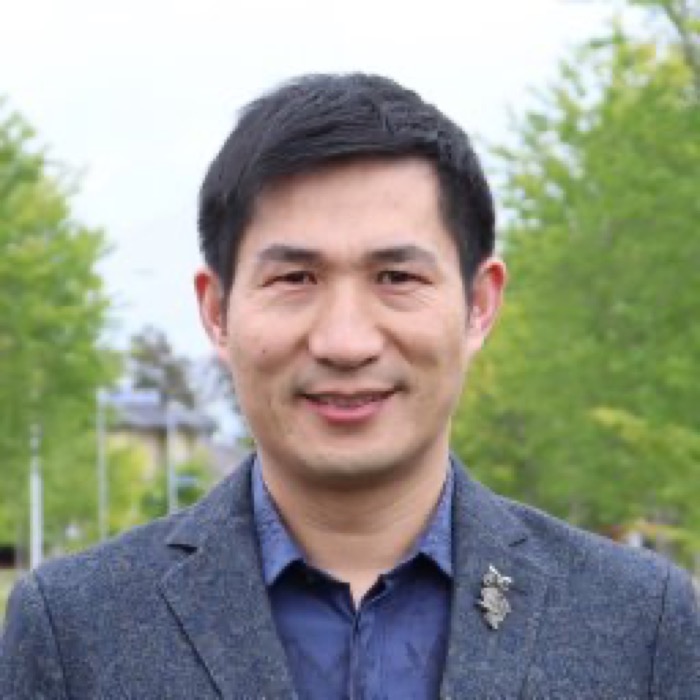
Prof. Feng Xia

Prof. Feng Xia

RMIT University, Australia

Graph learning, graph neural networks, network science, brain, robotics, and digital health.
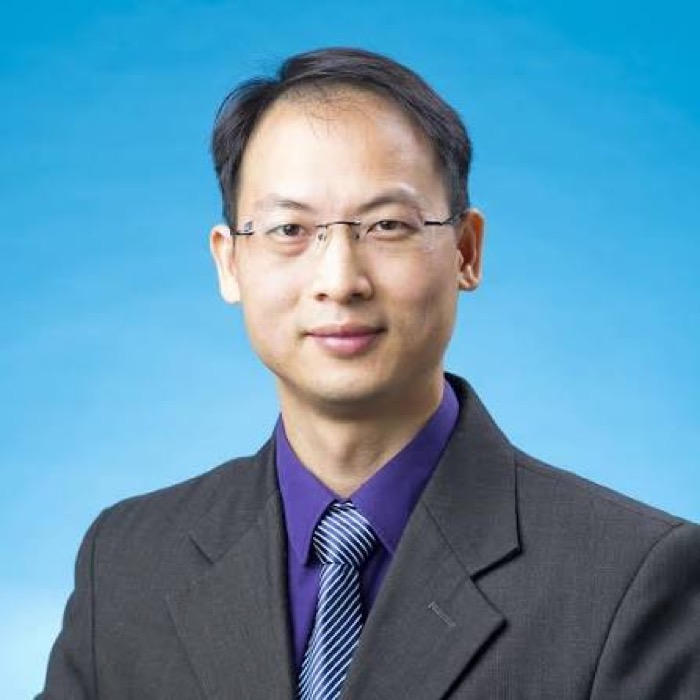
Prof. Xiaosheng Zhuang

Prof. Xiaosheng Zhuang

City University of Hong Kong, China

Graph representation learning, graph signal processing, and harmonic analysis.
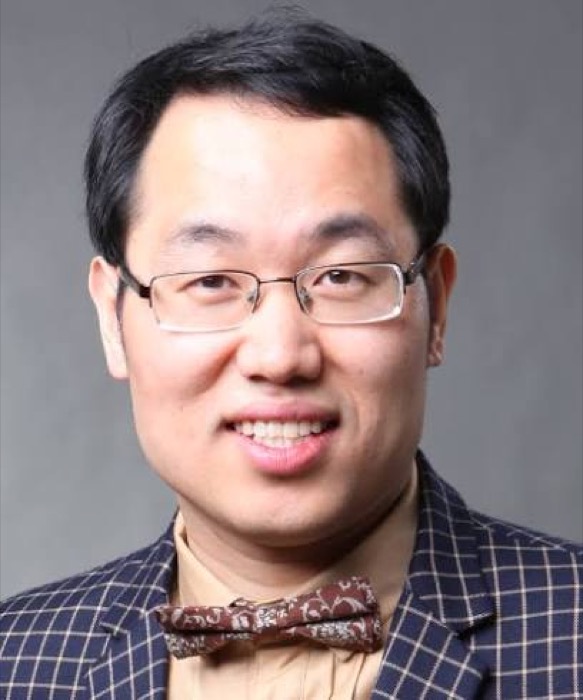
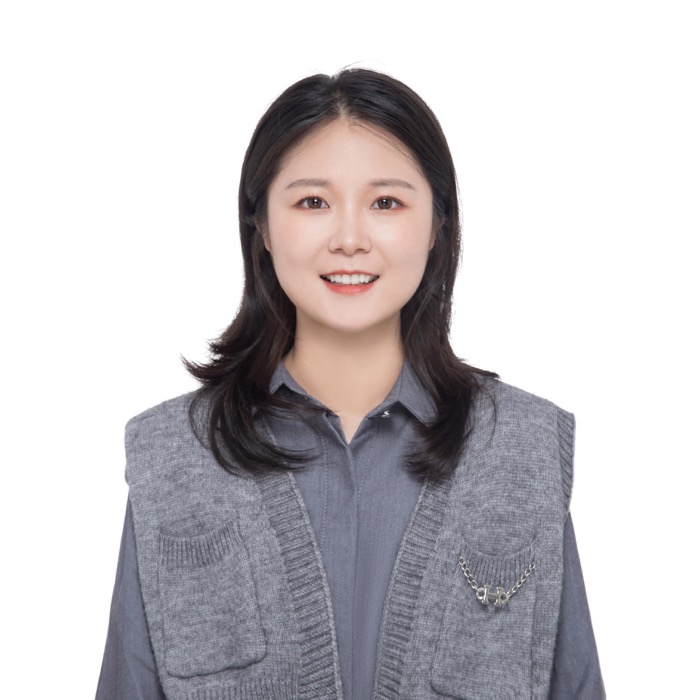
Assoc. Prof. Kelin Xia

Assoc. Prof. Kelin Xia

National University of Singapore, Singapore

Graph learning, geometric deep learning, and computational biology.

Submissions are now open!

The ACML 2026 Workshop on Graph Machine Learning: Foundations, Frontiers, and Applications (GraphML 2026) welcomes submissions from researchers and practitioners working across graph machine learning and related fields. The workshop covers both fundamental developments and real-world applications.

Submission Instructions

  • We accept two types of submissions:
    • Extended Abstract: 1 page, for preliminary results, work in progress, or emerging research ideas.
    • Short Workshop Paper: up to 4 pages, for more complete research with methods and experimental results.
  • Page limits exclude references and supplementary material.
  • Submission Link: https://openreview.net/group?id=ACML.org/2026/Workshop/GraphML.
  • Submissions should follow the ACML 2026 LaTeX submission template and style file available here.
  • All submissions must be written in English and will follow a single-blind review process.
  • Each submission will be reviewed by at least two reviewers based on relevance, originality, technical quality, clarity, and potential impact.
  • Accepted contributions will be presented at the workshop as oral presentations, spotlight presentations, or posters, subject to the final ACML workshop programme.

OpenReview Profiles

  • Authors are encouraged to create or update their OpenReview profiles well in advance of the submission deadline.
  • New profiles without an institutional email address may require moderation for up to two weeks.
  • New profiles created with an institutional email address are activated automatically.

Topics of interest include, but are not limited to:

Graph Machine Learning

  • Graph neural networks and graph representation learning
  • Graph transformers
  • Graph self-supervised and contrastive learning
  • Graph generative models
  • Heterogeneous graph learning
  • Dynamic and temporal graph learning
  • Hypergraph learning and higher-order relational learning
  • Geometric deep learning

Foundations And Frontiers

  • Theoretical foundations of graph machine learning
  • Scalability and efficiency of graph learning
  • Robust graph learning and learning under distribution shifts
  • Explainable and interpretable graph learning
  • Trustworthy graph machine learning
  • Graph foundation models
  • Graph learning with large language models
  • Multimodal graph learning and multimodal graph intelligence
  • Emerging paradigms and new directions in graph machine learning

Graph Learning Applications

  • Knowledge graphs
  • Recommender systems
  • Social and complex networks
  • Bioinformatics and computational biology
  • Healthcare
  • Scientific discovery
  • Intelligent education
  • Engineering applications
  • Other real-world applications of graph machine learning

TBD

The workshop will include invited talks and contributed presentations. The official time slot and detailed timetable will be coordinated as part of the overall ACML 2026 Workshop and Tutorial Day programme. The final programme is scheduled to be published on November 20, 2026.

Workshop organizing committee.

Dr. Xin Zheng

Dr. Xin Zheng

RMIT University, Australia

Assistant Professor working on data-centric AI, automated graph machine learning, and AI for science.
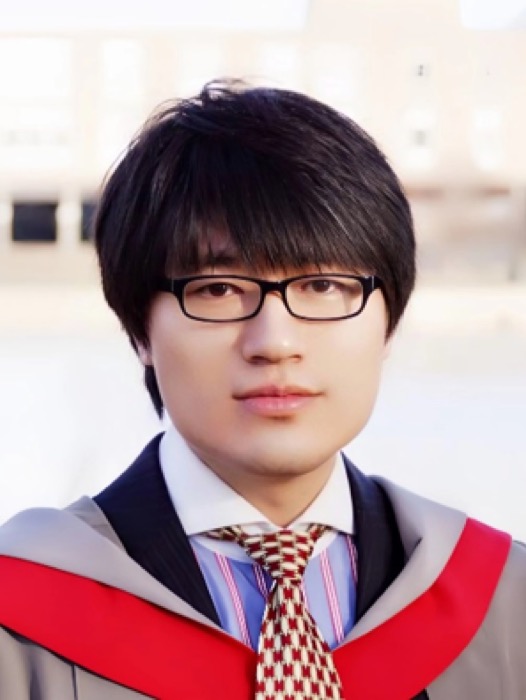
Prof. Lu Bai

Prof. Lu Bai

Beijing Normal University, China

Professor at the School of Artificial Intelligence with interests in structural pattern recognition, graph machine learning, and financial AI.
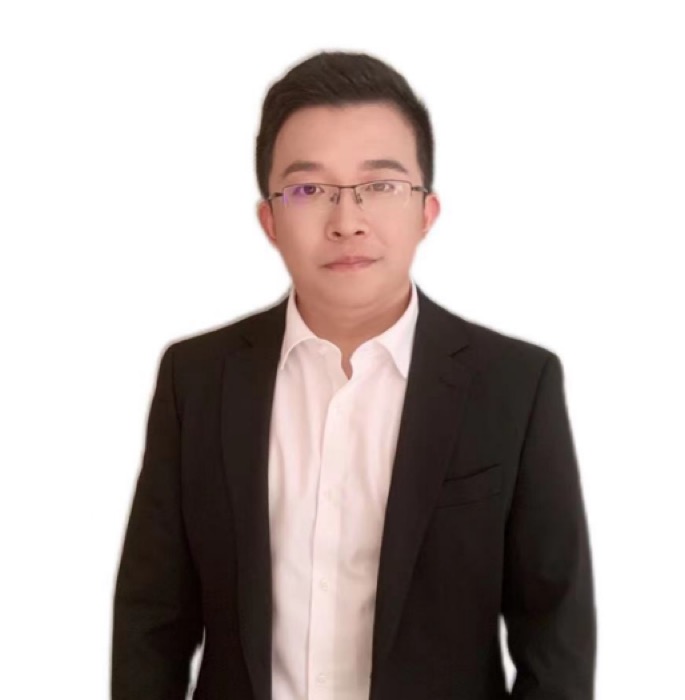
Prof. Ming Li

Prof. Ming Li

Zhejiang Normal University, China

Distinguished Professor and Director of GraphME Lab, working on graph machine learning and intelligent education.

Questions about GraphML 2026?

Email us: acml2026graphml.workshop@gmail.com